

5 things to know before you book your Maasai cultural tourism experience
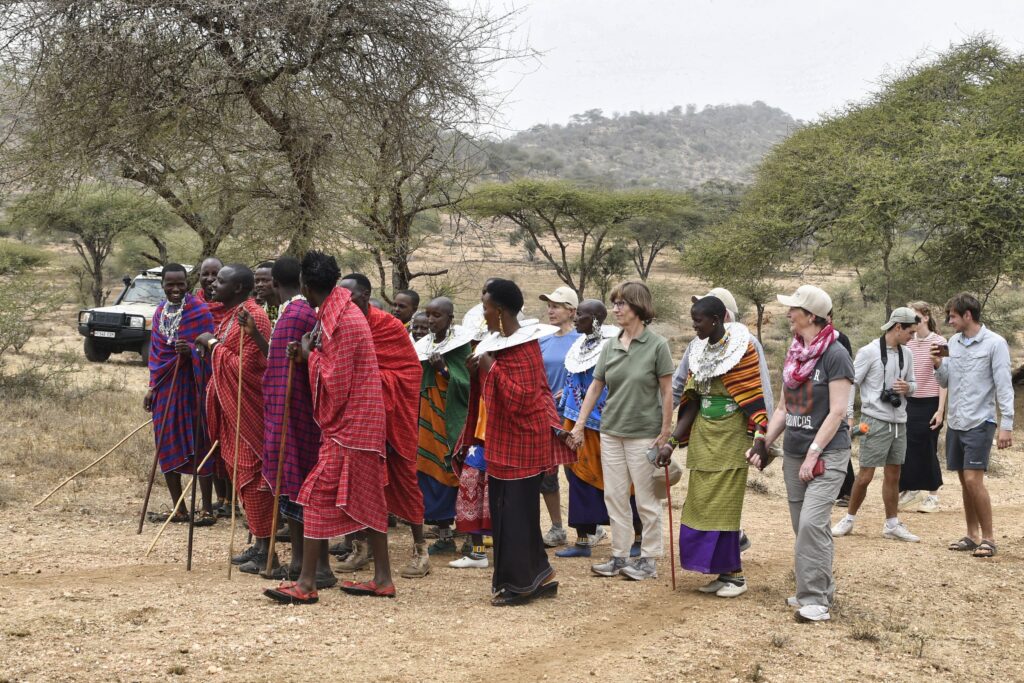
These days there are so many options to choose from if you want to visit a Maasai village. Perhaps you have booked a safari to Tanzania or Kenya and have been offered an optional day out in a nearby Maasai village. Or maybe you are a traveller who likes to get off the beaten track, and a cultural tourism experience is central to your travel itinerary. Whatever your motivation or way of reaching a Maasai village, there are some common elements to a great experience.

Here are my thoughts on 5 things to look out for:


1.You are actually visiting a Maasai village


Okay, this sounds basic, but it’s a real thing! Brand “Maasai” attracts a lot more tourists and dollars than many other cultural groups. Unfortunately, this means some cultural tourism experiences stretch the truth in terms of “Maasai” authenticity. This can mean having a guide who dresses as Maasai but isn’t, or that you are visiting a similar cultural group that passes itself off as traditional Maasai. Don’t assume that your travel agent or their connections will be able to distinguish this – if this is important to you, do your own research. Often these villages are closer to the city, may still be enjoyable to visit, but are not authentically Maasai and would not be considered such to a traditional Maasai. On the surface, perhaps there is not too much harm in this – you might meet great people and have a wonderful time. However, as Maasai people struggle with their sustaining their traditional livelihoods, cultural tourism can bring enormous benefits. Having other villages promoting themselves as Maasai not only potentially rips the visitor off, it also prevents your dollars flowing to and benefiting real Maasai villages.

2.The community is prepared for your visit


How many times I have I seen a safari vehicle arrive at a Maasai village with a group of visitors, hastily chasing down their local Maasai “connection”, who hastily arranges a visit to their family boma (homestead), rounds up the family members to sing and dance and whizzes you on your way the next day. This might not sound so bad. It might even work for you. But visits at short notice can disrupt everyday life and as a result the local people might be a bit half-hearted about your visit. Yes, we’ll sing and dance if you pay us… but do we really want to? Are we thinking about the cattle we would prefer to be rounding up? If you want to experience true Maasai hospitality, a little preparation behind the scenes goes a long way. Choosing a village that has a local tourism program does not necessarily mean less authenticity. It’s more likely to mean the locals are prepared and personally invested in your visit and that’s a win-win situation for you.


3.You have a chance to see normal, everyday Maasai activity


The best cultural tourism experiences will mean that you are immersed in normal, everyday village life and get to interact with the local people naturally. Perhaps there’s a Maasai warrior walking a herd of cattle alongside you to greet. Or women with donkeys going to fetch water or sitting in a circle making jewellery. This kind of unstated activity feels the most authentic. Some cultural tourism experiences use a “staged” cultural boma that’s only used for tourists, with extremely “staged” dancing and singing and limited natural interaction with the local people. Depending on what you are looking for in your experience, this might meet your needs. It may even be spectacular. But if you desire ‘normality’ in your experience, a village with a very staged program for tourists might not be for you.

4.There are small creature comforts available…


Like a toilet, filtered water or a seat in the shade… Let’s face it – Maasai people may love their mobile phones but their everyday existence would be a challenge even for the keenest outdoor traveller. You may like the idea of being off the beaten track, but that doesn’t mean you want the full Bear Grills experience. Having access to these creature comforts means you can enjoy yourself without being distracted by basic needs. If a Maasai community has an established tourism program they will likely have these small creature comforts available or be aware of your need for them. Please, do not take these aspects of your trip for granted – check that they have been considered in your visit.

5.The benefits of your visit flow to the local community


So, you might be paying top dollar for your Maasai cultural tourism experience, but who is benefiting? Research shows that Maasai communities in Northern Tanzania are more disadvantaged than any other rural group. The Maasai people may put on a happy face and appear serene, but 85% of households face severe food insecurity. Your visit could potentially mean more food on the table for a family, or education for a child. As a rule of thumb, transport to villages can be extremely costly and this will absorb a lot of your payment. Look out for experiences that hire local people and pay a benefit to the local village. Many villages will charge a village fee to tourists. Don’t resent this – it’s a small price to pay for ensuring a contribution flows to the local people. A good tour operator will ensure this payment goes smoothly and you may even be unaware. Be prepared to spend money locally, such as buying jewellery or paying for additional activities.

My recommendation: my partner not-for-profit Future Warriors Project manages a diverse range of authentic tourism experiences in Northern Tanzania and has invested thousands of dollars in building the capacity of local communities to work with visitors. Visit www.maasaiculturalexperience.com or www.encircleeastafrica.com.au for more information.
If you want to know more chat with met at sianga@encircleeastafrica.com.au

Sianga Kuyan is a traditional Maasai from Northern Tanzania and the Managing Director of Encircle East Africa.

Posted in Africa Travel stories, East Africa | Tagged , | Leave a comment

Encircle East Africa Travel and safari, Top Most Beautiful Places in east Africa
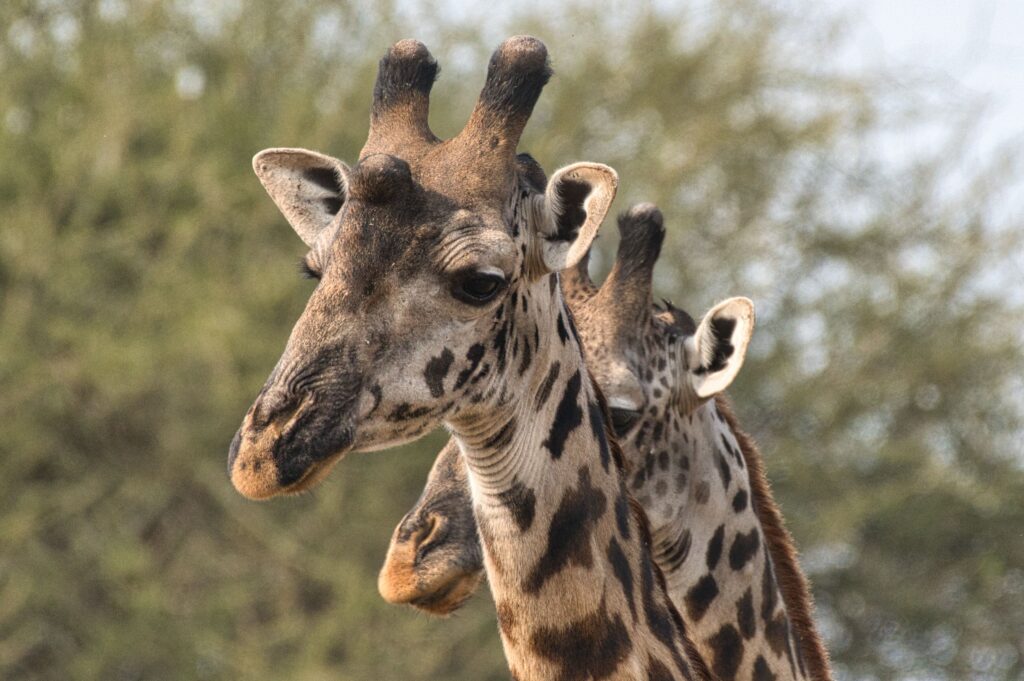
East Africa has a unique culture and heritage and it is full of unbelievably wide-ranging and beautiful places to visit.If you are planning to visit East Africa, perhaps you could travel to these places and see their beauty with your own eyes.

Zanzibar, Tanzania.
Zanzibar is an island rich in history and culture but also one which boasts some of the most beautiful beaches to be found in Africa. Sight seeing and places to visit, Rock Restaurant, finest cuisine and laid-back beauty that will take your breath away, Jozani Forest,Mangrove Forest, Seaweed Center, House of Wonders, Paje Beach, Spice Tour
Nungwi beach.

Lake Victoria.
Lake Victoria is the largest lake in Africa and one of the largest fresh water lakes in the world. The lake offers stretches of white sandy beaches, plush green forests, beautiful wildlife and water activities. If you want to relax and unwind during your vacation, there are numerous accommodation facilities at the shores of the lake.

Virunga Mountains in Uganda
Uganda is gifted by nature and it is a beautiful destination characterized by amazing wildlife, stunning mountains and landscapes. The Virunga Mountains in Uganda are located in Kisoro and consist of Sabinyo Mountains, Mhaginga and Muhabura. Get a chance to track some mountain gorillas located here and enjoy the the picturesque sceneries the mountains offer.

The great migration, Serengeti Tanzania/ Maasai Mara Kenya
With over a million wildebeest and several hundred thousand zebra making their annual migration, Serengeti and Masai mara is definately on our top recommendation list, Enjoy traversing the plains of the Serengeti through the morning and late noons hours. Look for herds of wildebeest and zebra, giraffe, impala, eland, topi, and more out on the savanna.

Kilimanjaro, Tanzania
Breath taking views and altitudes.Mount Kilimanjaro, at 5,895 meters (19,341 feet), is Africa’s highest peak – and an item on thousands of bucket lists. It is a “roof of africa,” creating a varied and dramatic natural habitat. Rising through lush rainforests and alpine meadows, climbers finally cross a barren lunar landscape to reach the twin summit, often above the clouds. also why not visit some of the community projects that we run on the west side the kilimajaro. check out Future Warriors project Inc for more information.

Lamu Island
The small island of Lamu, northeast of Mombasa, oozes old-world charm. A UNESCO World Heritage Site, Lamu Old Town is Kenya’s oldest continually inhabited settlement with origins dating back to the 12th century.

Lake Tanganyika
Africa’s deepest lake, Lake Tanganyika, caters for the most unusual beach holiday. The Mahale Mountains National Park is arguably the best place to view chimpanzees in the wild in Africa and this is the main reason visitors journey to the park. Part of the Mahale experience however is relaxing on the shores of Lake Tanganyika between chimpanzee trekking where the white sands and inviting waters set against a backdrop of lush green indigenous forest are food for the soul.

Kenya and Tanzania being on the lead, Together they offer an unbeatable feast of big-game viewing and sensational scenery that will leave you longing to return.

Speak to one of our experts to start planning your next adventure.

@encircleeastafricatravel

Posted in Africa Travel stories, East Africa | Leave a comment

Stories from the Serengeti
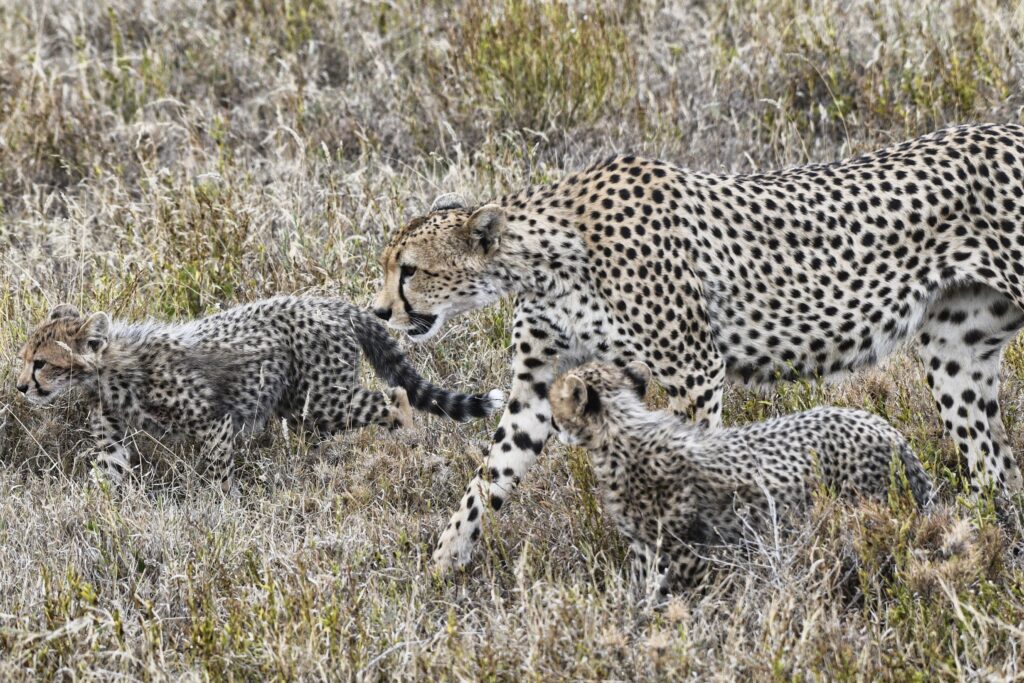
I was born and raised in small remote Maasai village in Tanzania near the protected area of the Serengeti ecosystem. Some of my fondest memories as a child are of walking our cattle for grazing in the Serengeti ecosystem (“Siringet” is a Maasai word meaning endless plains) along with the great annual migration of over a million wildebeest and their predators, including lions. On these trips, I was able to be free in the surrounding nature and peacefully interact with the wild animals – lions, zebras, elephants, giraffes, many species of antelopes and rich birdlife.

We were respectful neighbours, living together but at arm’s length, doing our best not to disturb each other. I remember one hot day after a tiring walk with our family’s cattle I sat down under a tree and fell asleep. When I woke up it was pitch dark, and all I could hear was a spotted hyena hoot-laugh, or giggle. I attuned my ears to the sounds around me and heard a stomping sound but smiled to myself as I knew it was a giraffe – I love giraffes. But I was not really thinking about the animals at that stage and what they might do to me, I was far more frightened of not being able to find my family’s cattle, or that they would be attacked or eaten, which would leave us destitute. I was listening for any tell-tale sound, because if they came across a lion or hyenas they would start running and moo quite loudly. I listened and listened, but could not hear a thing.

I wondered if I could track their trails in the dark but there was little moonlight. I looked at the stars and my immediate surroundings, found my bearings and started walking back home, hoping the cattle had made their way there alone. Cows with young calves will often return home when the sun sets. Without the cattle around me, I felt more alone and was worried I could become dinner for a pack of hyenas. I wrapped my left wrist and fingers with one of my shuka (cloth blanket), just in case I came across a hungry predator. If the cloth is thick and you’re strong enough, you could limit an attack by stuffing your wrapped hand inside the predators mouth. Yes, it’s a big ask but it’s something we were taught at a very young age. I knew I was far from home (probably about 20km) so I started running. Possibly reading this you have no idea how loud and clumsy a human running in the dead of night sounds. I surprised and scared so many animals on the way, but which ones I will never know for sure – I wasn’t stopping to greet them!

All animals will run when you scare them, and certainly it sounded like I ran passed elephants, giraffes and zebras. I eventually made it home with my tail between my legs – I hadn’t found any cattle on the way back, and knew I could get beaten for putting our livelihood at risk. But luck was on my side and all of the cattle had made their way home. No one had noticed I was missing except my mother, so my carelessness went unpunished. I was puffing when I got inside my mother’s hut. She gave me a knowing look and said “No one knew you were missing and the cows found their way home”. It was a big relief. I took a deep breath, knowing it was a close call, but deep down I was far more afraid of being punished than being eaten by any of my wild neighbours.


Please leave a comment below!!

Posted in Africa Travel stories, East Africa | Leave a comment

Sianga kuyan interview with Waleed Aly about maasai land.

https://www.abc.net.au/radionational/programs/drive/tanzania27s-maasai-may-lose-ancestral-land/4637824

Posted in Africa Travel stories, East Africa | Leave a comment